The moment a child is diagnosed with autism, most parents' first question is: what now? There is behavioural therapy, speech therapy, occupational therapy, medication, and a long list of "new technology" treatments. The more information, the more overwhelming it feels.
This article puts one new method, transcranial pulsed current stimulation, back into the wider treatment landscape, so you can see where it stands, what supports it, and what still needs reserving.
1. First, see how big the problem is
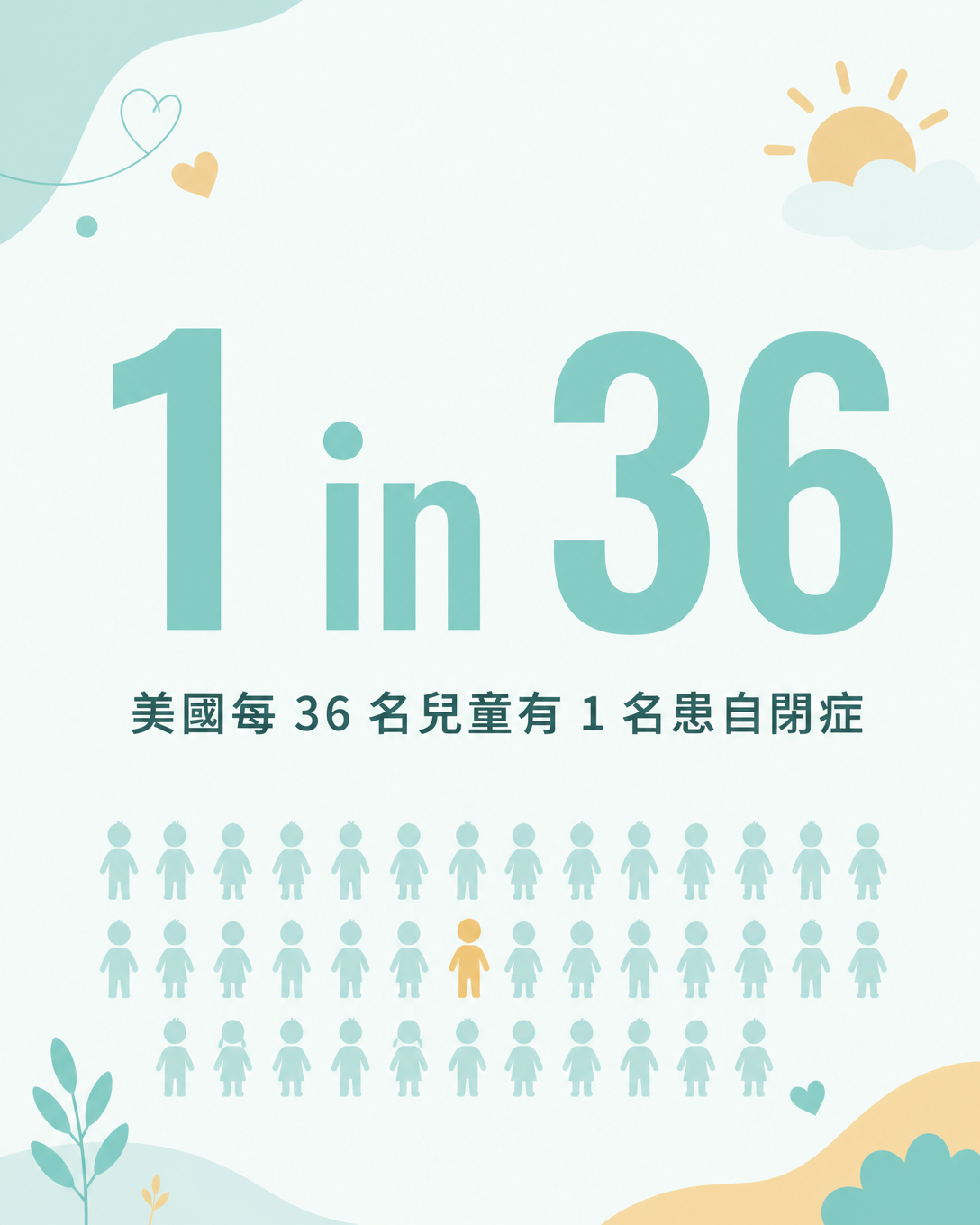
Autism is far more common than many people think. US CDC 2020 surveillance data put the rate at about 1 in 36 eight-year-old children1. In Hong Kong, a 2025 school-based study estimated prevalence at about 2.57%, roughly 1 in 39 children2.
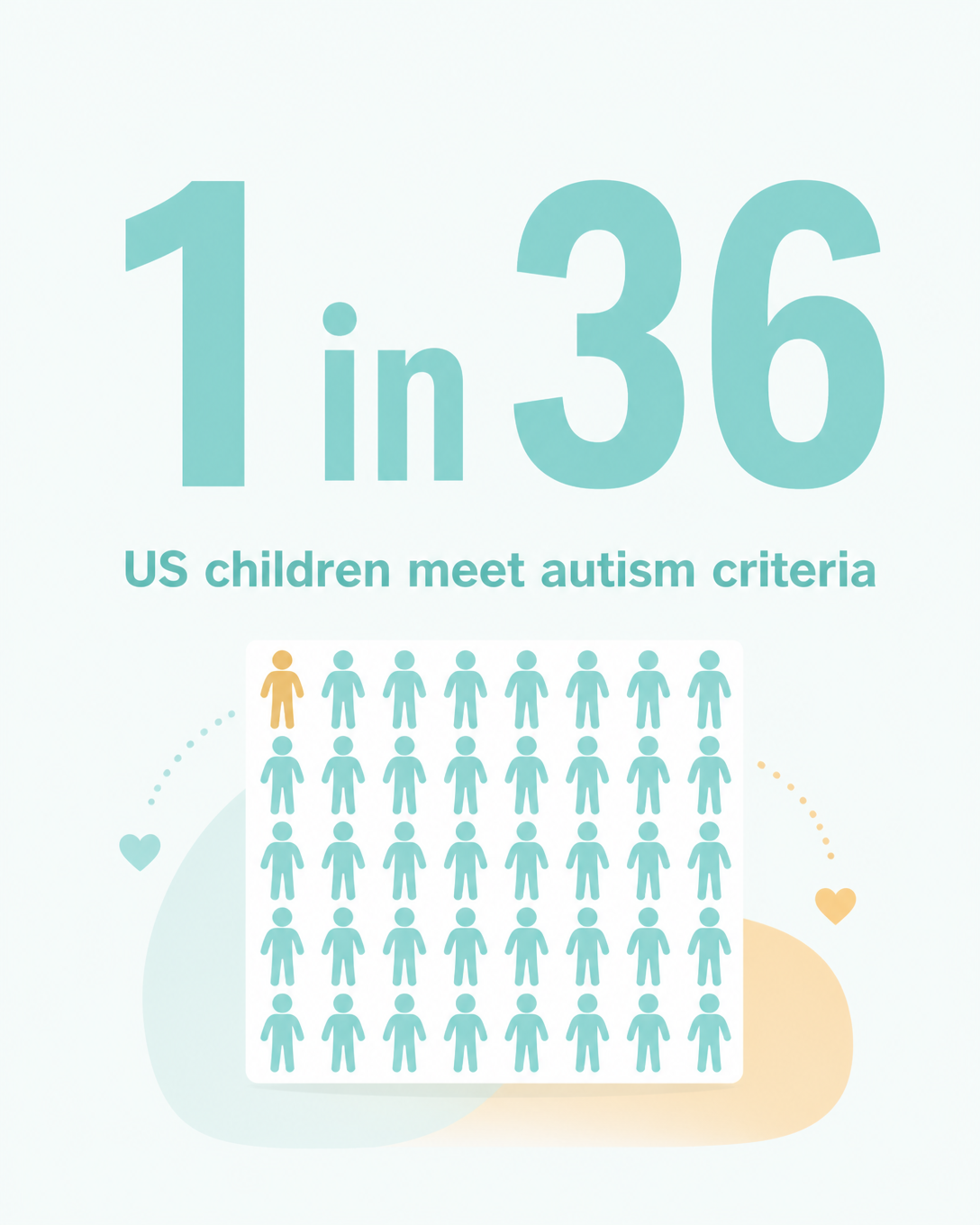
US CDC data put the rate at about 1 in 36 eight-year-old children.
This is not a rare condition. It is the daily reality of tens of thousands of Hong Kong families. That is exactly why any method that might add one more effective option for those families deserves to be examined seriously.
2. The honest truth about the whole "brain stimulation" field
The field of non-invasively stimulating the brain for autism has grown fast, but it is still young. A 2024 network meta-analysis pooled 16 randomised trials, 709 participants, comparing multiple methods, and reached a cautious conclusion: only one specific form of direct-current stimulation beat the control group on overall autism symptoms; the rest did not clearly improve the two core symptoms of social communication and repetitive behaviour3.
In other words, this field is full of methods that sound impressive but lack evidence. The most important screening question for a parent is not the marketing copy, but whether a large, rigorous study supports it.
3. The study that stands out
It is exactly in this uneven field that a 2025 study stands apart. Published in JAMA Network Open, it is the largest and most rigorous trial of autism brain stimulation to date: 312 children aged three to fourteen, randomised, double-blind, placebo-controlled, across eight medical centres in China4.
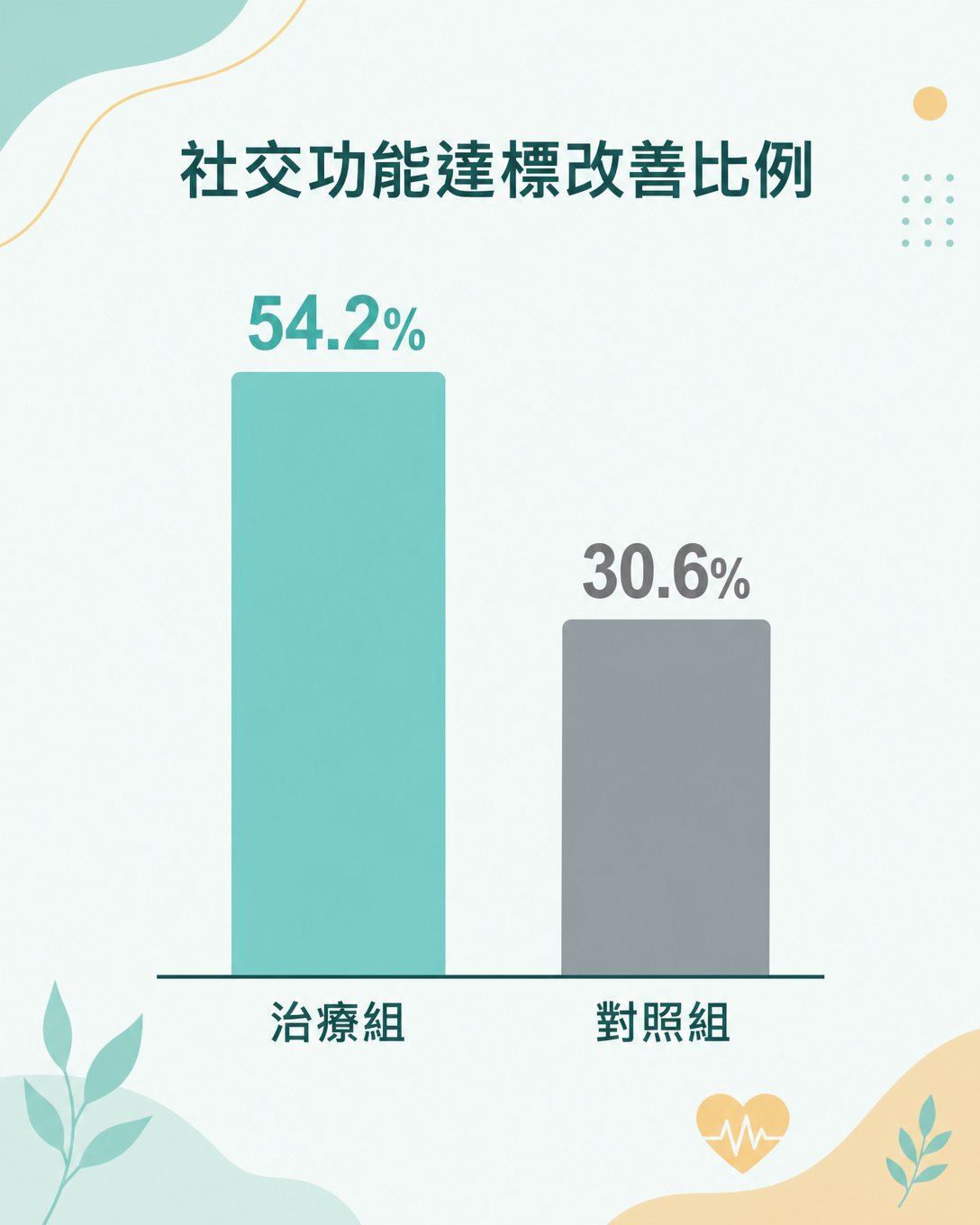
The result: 54.2% of children receiving real treatment reached clinically meaningful social improvement, versus 30.6% in the control group; behaviour was 40.6% versus 19.7%; sleep also improved; no serious adverse events4.
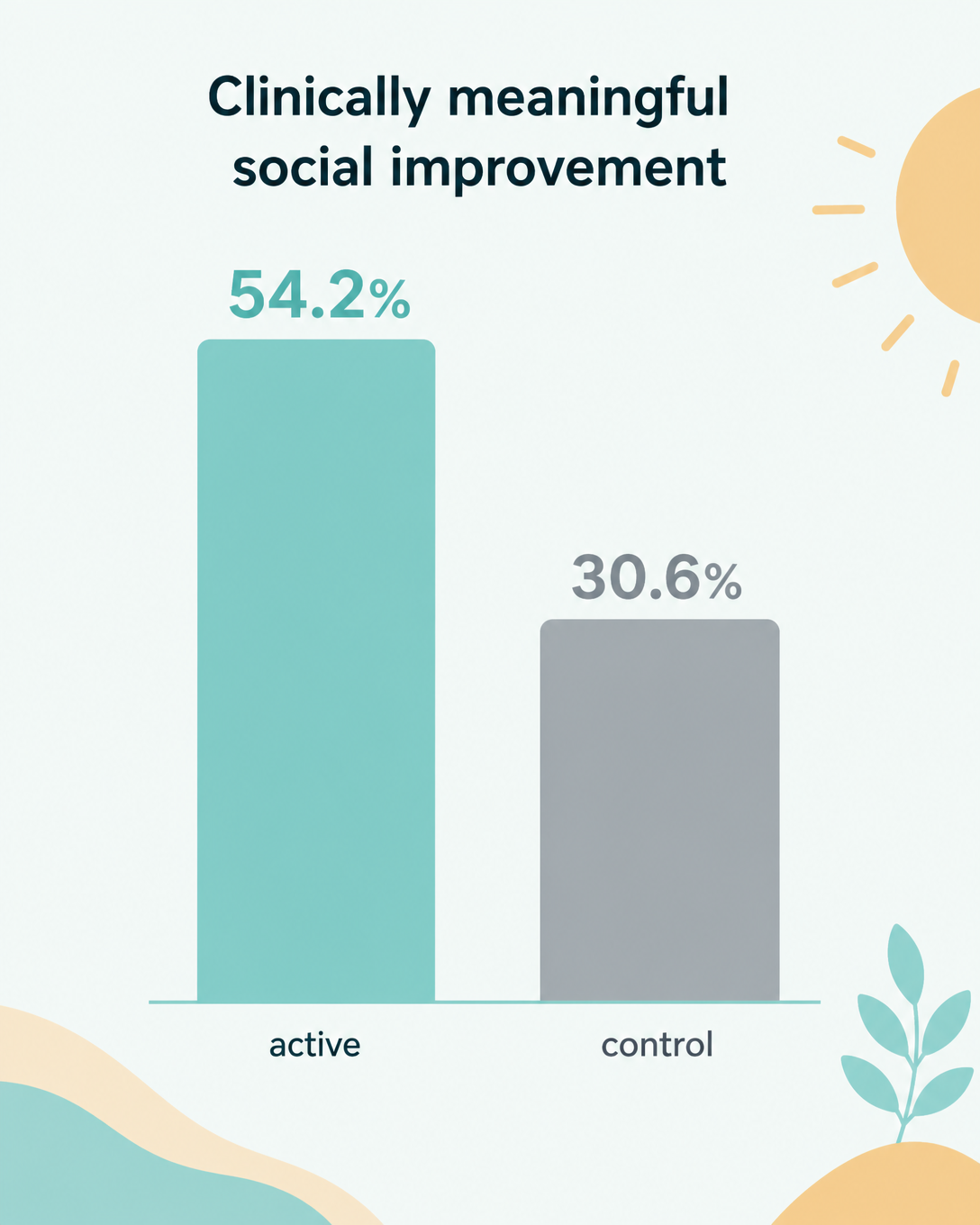
54.2% active versus 30.6% control reached clinically meaningful social improvement.
Notably, this study is the "exception" mentioned above, the only one large enough (312 people) and positive on social functioning3,4. Precisely because it stands out, we should place it alongside the field's cautious overall conclusion and let you judge.
4. The logic behind it: "re-tuning" the brain
This method differs from constant direct-current stimulation. It uses pulsed current, trying to follow the brain's own rhythm and bring disordered oscillations back into line4,5.
The researchers' specific explanation: certain regions of the autistic brain often show too much excitation and too little inhibition. The treatment places the "inhibitory" electrode over the left prefrontal region and the "excitatory" electrode over the right cerebellum, aiming to restore balance and strengthen the brain networks behind social connection, the so-called "social brain"4.
For a parent, the value of this logic is that it is not "suppressing" anything in the child. It is "restoring" a state closer to balance, so the child is more able to receive and respond to the world.
5. A naming trap you must beware of
This is practical, because it directly affects how you shop and search for information.
In the Chinese-speaking world, two things differ by one character but are physically different:
- Transcranial pulsed current stimulation: uses weak electric current.
- Transcranial pulse stimulation: uses focused ultrasound.
The latter was used in a 2023 study of 32 adolescents with autism, reporting reduced scores6, but that is ultrasound, not electric current, and must not be conflated with the former. When you see "pulse stimulation," ask first: electricity or ultrasound? The answer determines which body of evidence you are looking at.
6. Its position: an addition, not a replacement
The method's role in the study is clear: all children still received one hour of standard therapy each day after stimulation. It was tested as an adjunct, designed to make existing behavioural, speech, and occupational therapy work better4.
So do not think of it as a shortcut that replaces current therapy. It is the piece that makes the whole picture more complete, not a different picture altogether.
7. State the limits clearly
- This is one large trial; independent replication has not yet been published4.
- The study's authors include the device manufacturer's founder; keep that relationship in mind4.
- The effect size is small to moderate; 54.2% means "reached a 10% improvement," not "fully restored"4.
- The study ran in mainland China; applicability to Hong Kong children is a reasonable assumption, not directly proven4.
- Autism is lifelong; this kind of method improves specific symptoms as an adjunct, it is not a cure4.
Before any treatment decision for your child, consult a qualified doctor and verify the device's registration and certification in your region.
Every moment of connection is the truest return on this journey.
References
- Maenner MJ, Warren Z, Williams AR, et al. Prevalence and Characteristics of Autism Spectrum Disorder Among Children Aged 8 Years — Autism and Developmental Disabilities Monitoring Network, 11 Sites, United States, 2020. MMWR Surveillance Summaries. 2023;72(2):1-14. PMID: 36952288. https://pubmed.ncbi.nlm.nih.gov/36952288/
- Autism epidemiology in Hong Kong children and youths aged 6-17: Implications on autism screening and sex differences in the community. Autism. 2025. PMID: 40717427. https://pubmed.ncbi.nlm.nih.gov/40717427/
- Chen YB, Lin HY, Wang LJ, et al. A network meta-analysis of non-invasive brain stimulation interventions for autism spectrum disorder: Evidence from randomized controlled trials. Neuroscience & Biobehavioral Reviews. 2024;164:105807. PMID: 38981573. https://pubmed.ncbi.nlm.nih.gov/38981573/
- Liu Z, Zhong S, Ho RCM, et al. Transcranial Pulsed Current Stimulation and Social Functioning in Children With Autism: A Randomized Clinical Trial. JAMA Network Open. 2025;8(4):e255776. PMID: 40257798. https://pubmed.ncbi.nlm.nih.gov/40257798/
- Malekahmad M, Frazer A, Zoghi M, Jaberzadeh S. Transcranial pulsed current stimulation: A scoping review of the current literature on scope, nature, underlying mechanisms, and gaps. Psychophysiology. 2024;61(3):e14521. PMID: 38200645. https://pubmed.ncbi.nlm.nih.gov/38200645/
- Cheung T, Li TMH, Lam JYT, et al. Effects of transcranial pulse stimulation on autism spectrum disorder: a double-blind, randomized sham-controlled trial. Brain Communications. 2023;5(5):fcad226. PMID: 37701816. https://pubmed.ncbi.nlm.nih.gov/37701816/