Almost every autism specialist tells you the same thing: the earlier, the better. This is not empty comfort but a consensus backed by a lot of research. But after "early," then what? How much, with what method, and can brain stimulation even be used at such a young age? This article answers those questions one by one.

1. Early intensive intervention: standard care, but see the truth clearly
Early intensive behavioural intervention, based on applied behaviour analysis, is among the most widely recognised autism treatments, typically twenty to forty hours a week over several years1.
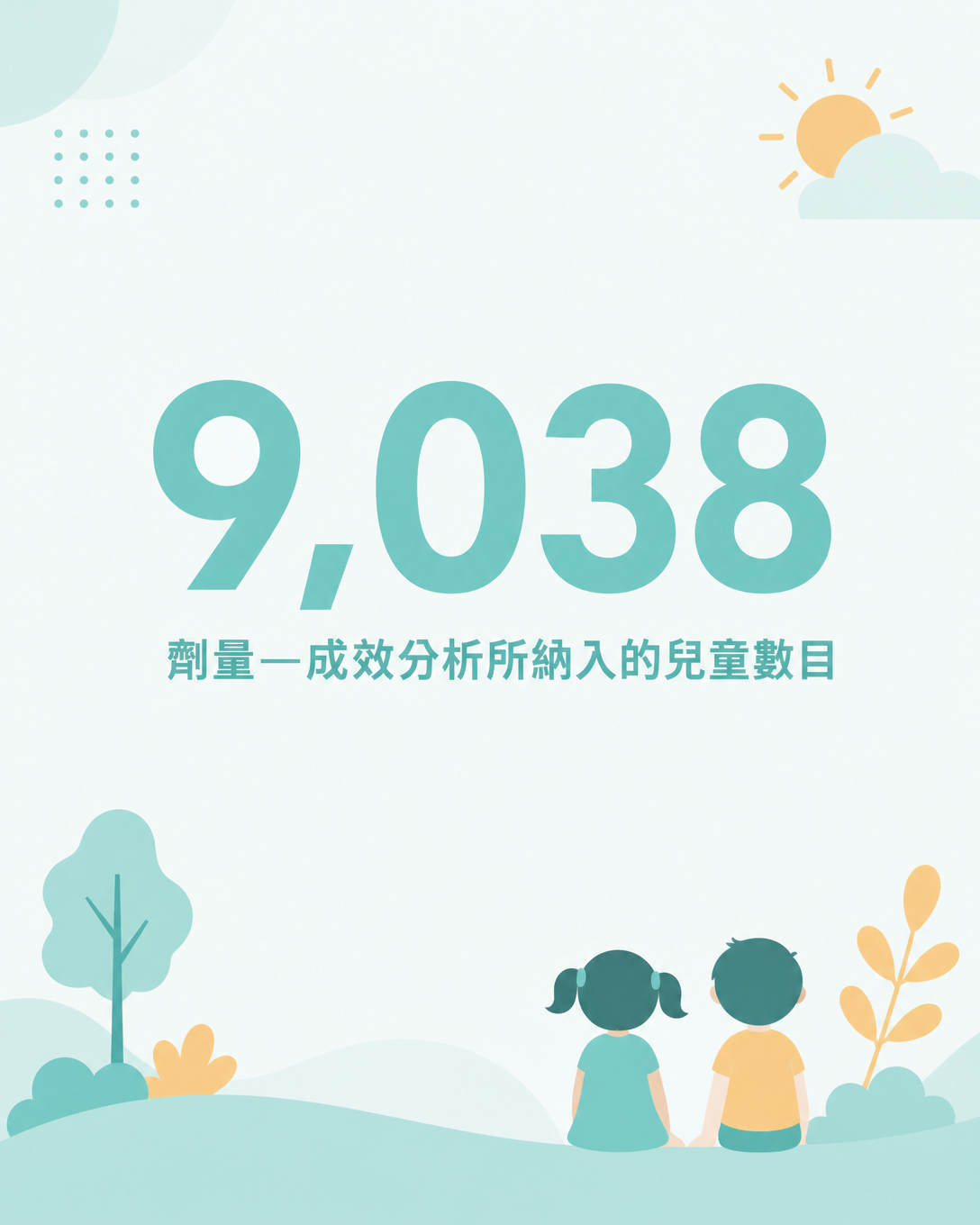
But a 2024 meta-analysis in JAMA Pediatrics pooled 144 studies and 9,038 young children (average age about four) and reached a surprising but important conclusion: within the same intervention type, there is no significant positive association between treatment amount and outcomes2.
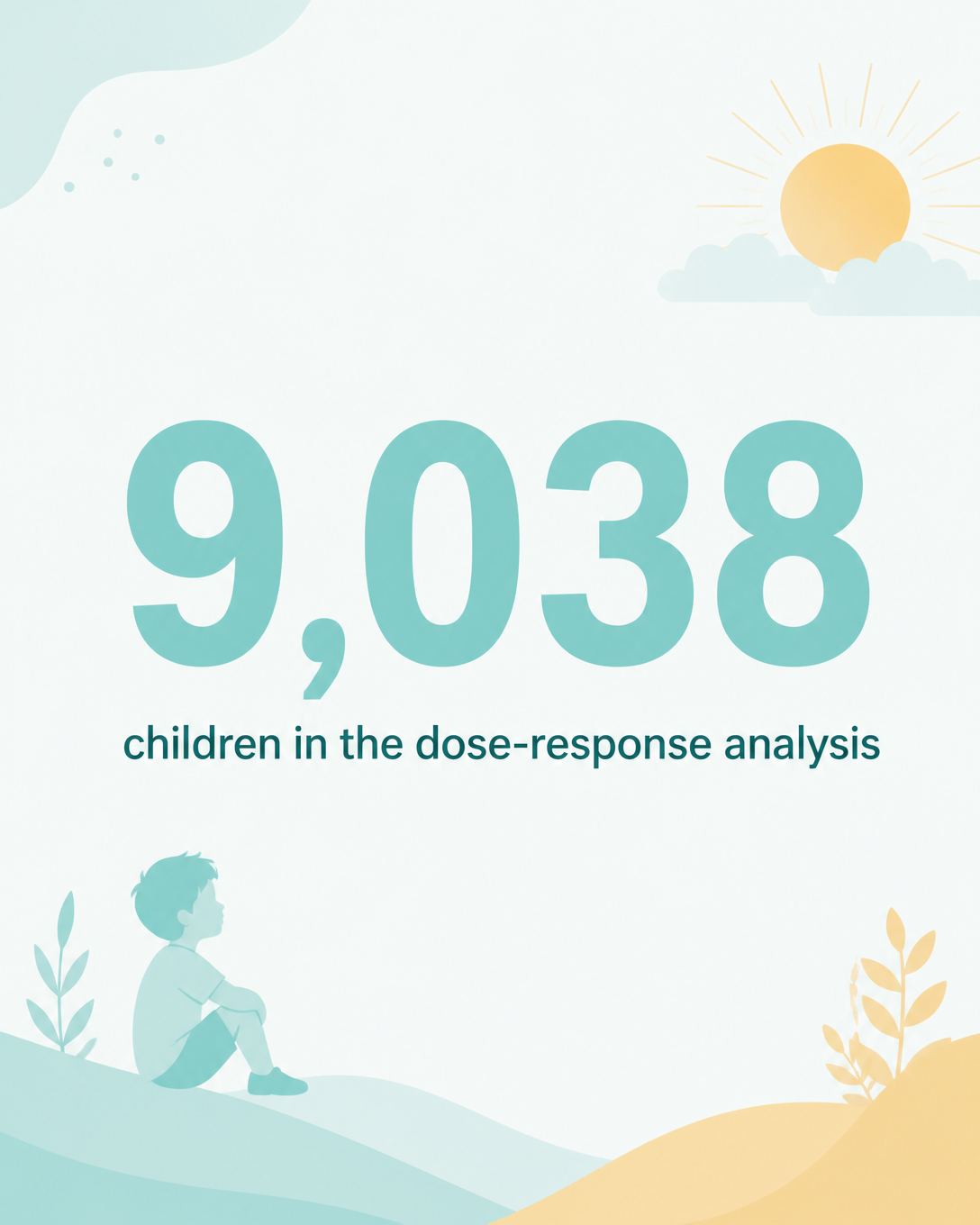
Across 9,038 children, no significant link between treatment amount and outcomes within a given intervention type.
What this means is that the old saying "more hours is better" may not hold. For parents, this is actually liberating news: you do not have to burn yourself and your family out chasing hours. Quality and the child's state may matter more than piling on time2.
2. Early intervention works overall, but modestly
A 2020 large meta-analysis ("Project AIM") pooled 130 samples, 6,240 children aged zero to eight, and 1,615 effect sizes across seven early-intervention types. The conclusion: some domains (language, IQ, adaptive behaviour) showed significant effects, but the magnitudes were small and inconsistent across types3.
Taken together, the correct attitude toward early intervention is: do it, but do not mythologise it. It is the cornerstone of a child's development, not a straight line of "more in, more out."
3. Brain stimulation's role in the early window: an addition, not the lead
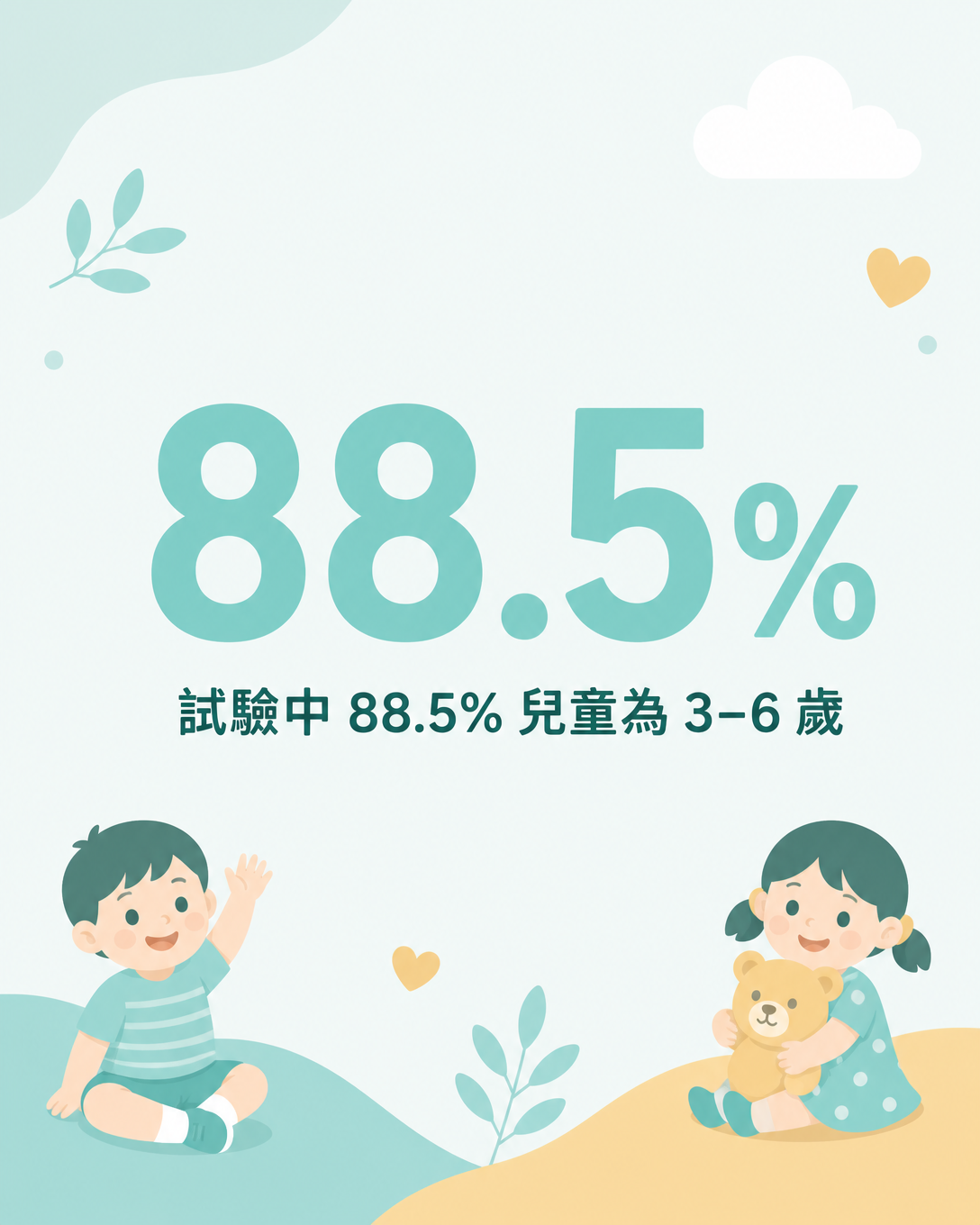
Recently, brain stimulation has entered the early-intervention conversation. The most notable is the 312-child trial, where 88.5% of participants were aged three to six, squarely in the golden window4.
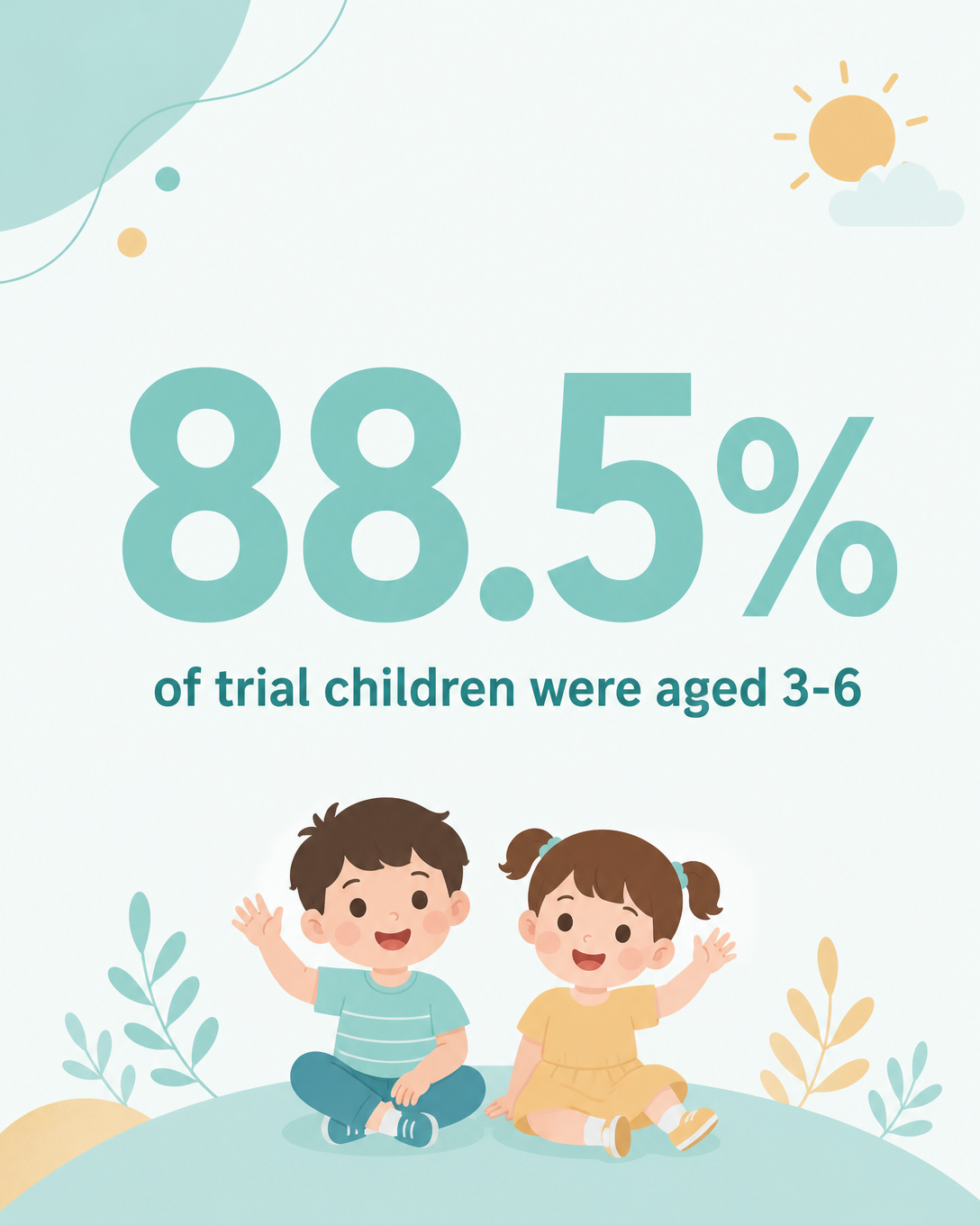
88.5% of the trial's children were aged three to six, squarely in the early-intervention window.
The design matters: each child received twenty minutes of transcranial pulsed current stimulation, then one hour of standard therapy4. Clinically meaningful social improvement reached 54.2% versus 30.6%, with no serious adverse events4.
For parents, this "stimulation + therapy" pattern is exactly the right position for brain stimulation in early childhood: it does not replace behavioural therapy, but brings the brain into a state more ready to learn, so each hour of therapy that follows works better.
4. Can young children use it? Tolerability is the key question
This is a parent's most reasonable worry. The evidence shows low-intensity electrical stimulation is well tolerated in young children:
- A systematic review covered 156 children and 864 sessions (up to 2 mA, twenty minutes each) of direct-current stimulation, confirming safety, tolerability, and acceptability in research settings, while describing the evidence as "sporadic and scarce"5.
- The 312-child trial delivered daily twenty-minute sessions matched to young children's tolerance, with no serious adverse events and no withdrawals for side effects4.
So "early" and "safe" are not contradictory. The key remains: use only after a doctor's assessment rules out contraindications5.
5. Other brain stimulation in young children remains limited
- tDCS (direct current): 2026 meta-analyses show modest gains in social communication (−0.66) and repetitive behaviour (−0.60) in children and adolescents, but no significant language effect6; another 2026 review reported similar positive but cautious signals7.
- rTMS (magnetic): the largest trial is still at the protocol stage with results unpublished8,9; a small sleep trial (20 children) offered preliminary feasibility data10.
In other words, in the early window, the method with both large-trial support and home use is currently transcranial pulsed current stimulation4.
6. State the limits clearly
- Early-intervention effect sizes are small to moderate and uneven across types3; the intensive-hours recommendation is not supported by meta-regression2.
- Paediatric brain-stimulation evidence is still dominated by small trials6,7.
- The pivotal tPCS trial has device-maker involvement and no published independent replication4.
- No brain-stimulation method is a cure or a replacement for behavioural and educational therapy; every credible trial frames stimulation as an add-on4,6,7.
7. Practical advice for parents in the early window
The most precious thing in the golden window is not a magic number of hours or the newest device, but a stable, sustainable rhythm of intervention in which the child is in good shape. Do backbone therapy well, add evidence-based adjuncts cautiously under a doctor's gatekeeping, and you are more likely to walk further with your child than by betting everything on any single method.

Every small victory is worth celebrating.
References
- Reichow B, Hume K, Barton EE, Boyd BA. Early intensive behavioral intervention (EIBI) for young children with autism spectrum disorders (ASD). Cochrane Database of Systematic Reviews. 2018;5(5):CD009260. PMID: 29742275. https://pubmed.ncbi.nlm.nih.gov/29742275/
- Sandbank M, et al. Determining Associations Between Intervention Amount and Outcomes for Young Autistic Children: A Meta-Analysis. JAMA Pediatrics. 2024;178(8):763-773. PMID: 38913359. https://pubmed.ncbi.nlm.nih.gov/38913359/
- Sandbank M, et al. Project AIM: Autism intervention meta-analysis for studies of young children. Psychological Bulletin. 2020;146(1):1-29. PMID: 31763860. https://pubmed.ncbi.nlm.nih.gov/31763860/
- Liu Z, Zhong S, Ho RCM, et al. Transcranial Pulsed Current Stimulation and Social Functioning in Children With Autism: A Randomized Clinical Trial. JAMA Network Open. 2025;8(4):e255776. PMID: 40257798. https://pubmed.ncbi.nlm.nih.gov/40257798/
- Zewdie E, et al. Systematic Review on the Safety and Tolerability of Transcranial Direct Current Stimulation in Children and Adolescents. Brain Sciences. 2021;11(2):212. PMID: 33578648. https://pubmed.ncbi.nlm.nih.gov/33578648/
- Amjad MM, et al. Efficacy of transcranial direct current stimulation in children and adolescents with autism spectrum disorder: A systematic review and meta-analysis. Brain Research. 2026;1873:150114. PMID: 41412208. https://pubmed.ncbi.nlm.nih.gov/41412208/
- Singh M, et al. Role of Transcranial Direct Current Stimulation in the Management of Autism Spectrum Disorder in Children and Adolescents: A Systematic Review and Meta-Analysis. The Primary Care Companion for CNS Disorders. 2026;28(2):25r04049. PMID: 41861357. https://pubmed.ncbi.nlm.nih.gov/41861357/
- Enticott PG, et al. Repetitive transcranial magnetic stimulation (rTMS) in autism spectrum disorder: protocol for a multicentre randomised controlled clinical trial. BMJ Open. 2021;11(7):e046830. PMID: 34233985. https://pubmed.ncbi.nlm.nih.gov/34233985/
- Savino R, et al. Repetitive transcranial magnetic stimulation in children and adolescents with autism spectrum disorder: study protocol for a double-blind, sham-controlled, randomized clinical trial. Trials. 2025;26(1):240. PMID: 40619411. https://pubmed.ncbi.nlm.nih.gov/40619411/
- Ezedinma U, et al. Evaluating the effect of repetitive transcranial magnetic stimulation on sleep difficulties in children with autism spectrum disorder: a randomized controlled trial. SLEEP Advances. 2025;6(4):zpaf088. PMID: 41445722. https://pubmed.ncbi.nlm.nih.gov/41445722/